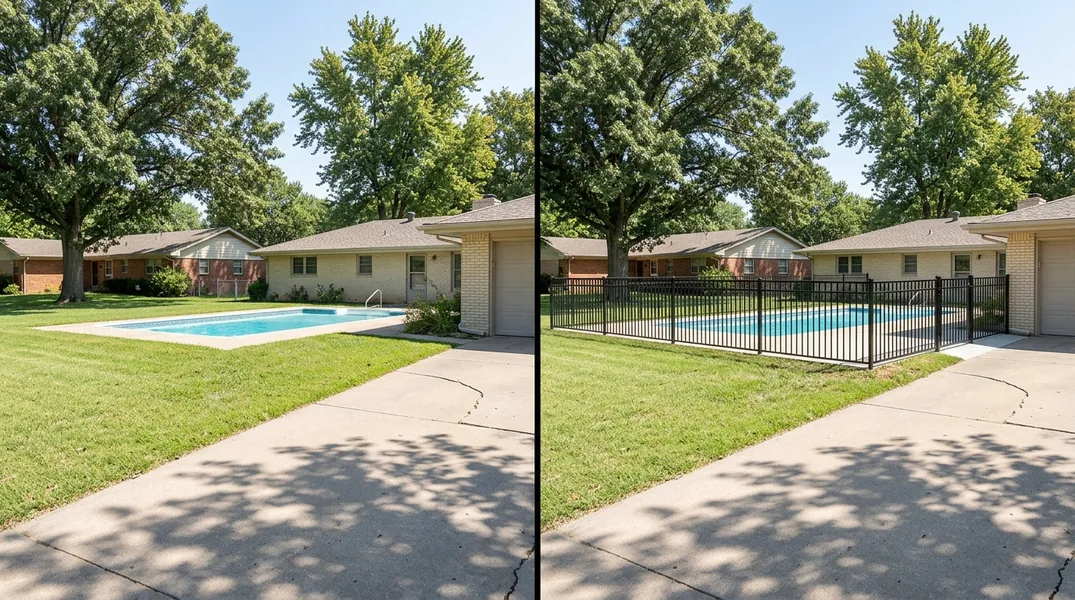
Why HOA Fence Rules Matter Before You Order
If you own a home in Andover or East Wichita, you may already know that homeowners associations (HOAs) set the rules for how your property looks from the street. What you might not realize is that these rules often extend to fencing, and violating them can result in fines, legal notices, or even being forced to remove a fence you've already paid for. Many homeowners learn this lesson the hard way after ordering a beautiful new fence, only to discover it doesn't meet their subdivision's approval requirements.
The good news is that checking your HOA fence rules before you order is straightforward, and it takes far less time than dealing with violations after installation. Whether you're planning Wood & Privacy Fence Installation, Vinyl & PVC Fence Installation, or any other fence type, understanding your subdivision's restrictions upfront will save you money, stress, and disappointment. This article walks you through the key HOA fence rules you need to check and what to do if you have questions about your specific property.
Common HOA Fence Rules in Andover and East Wichita Subdivisions
Most HOAs in the Andover and East Wichita area share similar fence restrictions, though the specifics vary by subdivision. Height limits are one of the most common rules. Many HOAs restrict front-yard fences to 3 or 4 feet, while backyard fences may be allowed up to 6 or 8 feet. This is because front-yard fences that are too tall can block sightlines, create a fortress-like appearance, and reduce the neighborhood's curb appeal. Backyard fences, on the other hand, are usually less visible from the street, so HOAs tend to be more lenient with their height.
Material restrictions are another frequent requirement. Some subdivisions only allow wood, while others permit vinyl or composite materials. A few HOAs prohibit chain-link fencing entirely, viewing it as less aesthetically pleasing than solid-panel options. Before you commit to any fence type, check whether your HOA has a preferred materials list. This will help you avoid ordering a fence that doesn't meet approval standards and ensures your investment aligns with your community's guidelines.
Fence Color Rules: What Your HOA Likely Requires
Fence color rules are often one of the strictest HOA requirements, and they're frequently the source of disputes between homeowners and associations. Most HOAs in residential subdivisions require fence colors to be neutral and blend with the natural landscape. Common approved colors include white, cream, tan, gray, brown, and black. Bright colors like red, orange, or neon green are almost always prohibited because they stand out and disrupt the neighborhood's visual harmony.
If you're planning Wood & Privacy Fence Installation, your HOA may require the wood to be stained or painted in one of their approved colors. Cedar and pressure-treated wood in their natural state sometimes fall within approval, but don't assume this without checking your documentation first. For vinyl or composite fencing, the color options are often more limited by the manufacturer, so verify that any color you select matches your HOA's palette before placing an order. Getting your color choice in writing from your HOA is crucial, as color interpretation can sometimes be subjective.
How to Find and Review Your HOA Fence Approval Requirements
The first step in checking your HOA fence rules is to locate your subdivision's Covenants, Conditions, and Restrictions (CC&Rs) and any architectural guidelines. These documents are usually provided when you purchase your home, but if you can't find them, contact your HOA's management company directly. Most HOAs have a website or a property management office that can send you copies of the relevant rules. In Wichita, many subdivisions also keep these documents on file at the county recorder's office, though this is often a slower option than contacting the HOA directly.
Once you have your HOA's fence rules in hand, read them carefully and look for specific language about height, materials, colors, setback requirements (how far the fence must be from property lines), and the approval process. Most HOAs require homeowners to submit a fence request or architectural review application before installation begins. This application typically includes details about the fence type, height, color, and location on your property. Some HOAs respond to these requests within a few days, while others may take two to three weeks. Building this approval time into your project timeline is essential, especially if you're working with a fence contractor who has availability windows.
Subdivision Fence Approval: The Application Process
Once you've reviewed your HOA's fence rules and confirmed that your planned fence meets the requirements, the next step is submitting a formal approval request. Most subdivisions in the Andover area require you to complete an Architectural Review Board (ARB) application or a similar form. This application asks for detailed information about your fence project, including the contractor's name, the proposed fence material, dimensions, color, and sometimes even a photo or drawing showing where the fence will be located on your property.
When you submit your application, include as much detail as possible. Attach photos of the fence style you're proposing, paint samples if applicable, and a sketch showing the fence's location relative to your property lines and neighboring homes. This level of detail helps the ARB make a quick decision and reduces the chances of rejection due to missing information. If your HOA approves your fence, you'll typically receive written approval that you should keep on file. If they request changes, review their feedback carefully and consider whether you want to modify your plans or appeal the decision. Never begin installation before receiving written approval, as doing so can result in fines or a cease-and-desist order.
What to Do If Your Preferred Fence Doesn't Meet HOA Standards
Sometimes the fence you want doesn't fit your HOA's guidelines, and you have a few options. First, consider whether a modification might work. If your HOA prohibits a certain color but allows others, switching to an approved shade may be a simple solution. If height is the issue, you might reduce the fence height by a foot or two to comply. Many homeowners find that working within their HOA's constraints actually results in a fence that looks better and maintains neighborhood values.
If you believe your HOA's rules are unreasonable or unfairly applied, you can request a variance or appeal the decision. This process varies by HOA, but it typically involves submitting a written request explaining why you believe an exception should be made for your property. Some HOAs are willing to grant variances in special circumstances, such as when a fence is needed for privacy or safety reasons. However, appeals can be time-consuming and aren't guaranteed to succeed, so weigh this option carefully. If you're unsure whether your fence idea is viable, consider reaching out to Wichita Fence Company at (316) 710-7662 to discuss your HOA requirements with experienced professionals who understand local subdivision rules.
Working With a Fence Contractor Who Understands HOA Requirements
Choosing the right fence contractor makes the HOA approval process much smoother. Experienced fence companies like Wichita Fence Company work with homeowners in HOA-governed communities regularly and understand the approval requirements for most Wichita-area subdivisions. When you contact a contractor for a free estimate, mention your HOA requirements upfront. A reputable contractor will ask about your subdivision's rules and may even help you navigate the approval process or suggest fence options that are guaranteed to meet your HOA's standards.
Before hiring a contractor, verify that they're familiar with your specific subdivision's rules and that they're willing to work within those constraints. Some contractors will delay starting your project until you have written HOA approval, which is the safest approach. Others may offer to help you submit your architectural review application or provide documentation that supports your fence request. This level of service can be invaluable, especially if you're unfamiliar with the approval process. When you're ready to move forward, having a contractor who understands and respects your HOA's requirements ensures your fence installation goes smoothly and your investment is protected.
Looking for a professional tree service in Wichita? Wichita Fence Company responds fast for all your fence needs.
Get a Free Quote